Your AI Workstyle
The Strategist
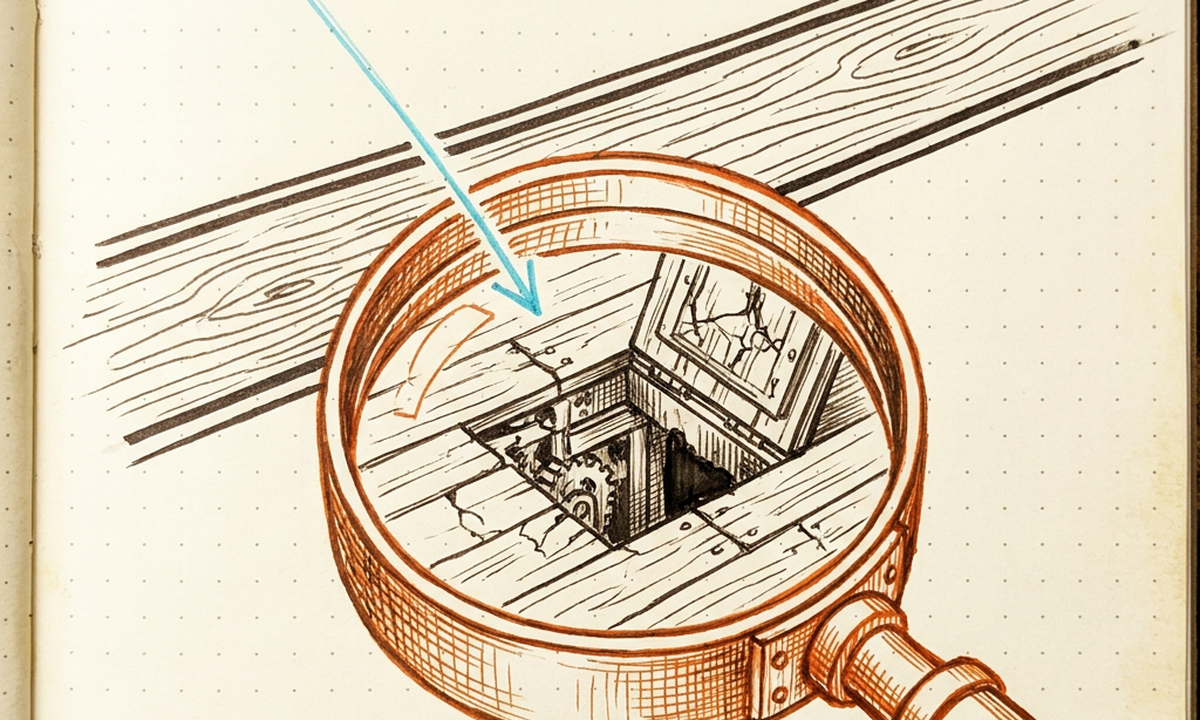
“You spot the trapdoor in the plan before the room walks over it.”
The plan sounds good and everyone is nodding, and you are the one quietly asking what happens if the part we are all assuming does not hold. You see the tradeoff under the surface before it turns into an expensive lesson.
Your full read is below, free. The mix, the edge, the blind spot, and a prompt to run today.
Your strongest pull is the Strategist. Here is how all six styles stack up for you.
You get the most value when AI helps you find the tradeoff without turning you into the person who only says no.
Hand AI the build. You own the check, the part with a standard and stakes it does not have.
AI is a tireless sparring partner for exactly this. Tell it your plan and have it argue the other side, surface the weak assumption, and name the risk nobody has named. You walk in with the sharp question, not just a bad feeling.
Annie Duke · judge the decision by the process, not the scoreboard: a good call can still get a bad result.
You own the judgment call, and the risk is grading yourself by the scoreboard. A good decision can still get a bad result. Judge the process you used, not just how it turned out, and use AI to argue the other side rather than confirm the risk you already felt.
Hidden Risk Finder
Use this before a plan review, roadmap discussion, hiring decision, or any room that is moving a little too fast.
Review this plan and identify the tradeoff, hidden risk, weak assumption, and question I should raise constructively.
Paste a safe plan summary, options list, proposal, or decision note. Strip sensitive numbers unless your AI tool is approved for them.
Do not ask AI to be negative. Ask it to find the tradeoff a smart person might miss.
A good output should identify a real assumption, a real tradeoff, and a question you could ask without derailing the room.
-
Hidden Risk Finder
Prompt card
Your best starter for pressure-testing without sounding dramatic.
-
Tradeoff Namer
Prompt card
Names what each option buys, spends, and puts at risk.
-
Options Compare Brief
Prompt card
Use it when the room is choosing between two or three paths.
Use this when a plan sounds good but the tradeoff has not been named yet.
- Pressure-test the plan without turning cynical.
- Find the weak assumption and the tradeoff under the surface.
- Bring one constructive question into the room.