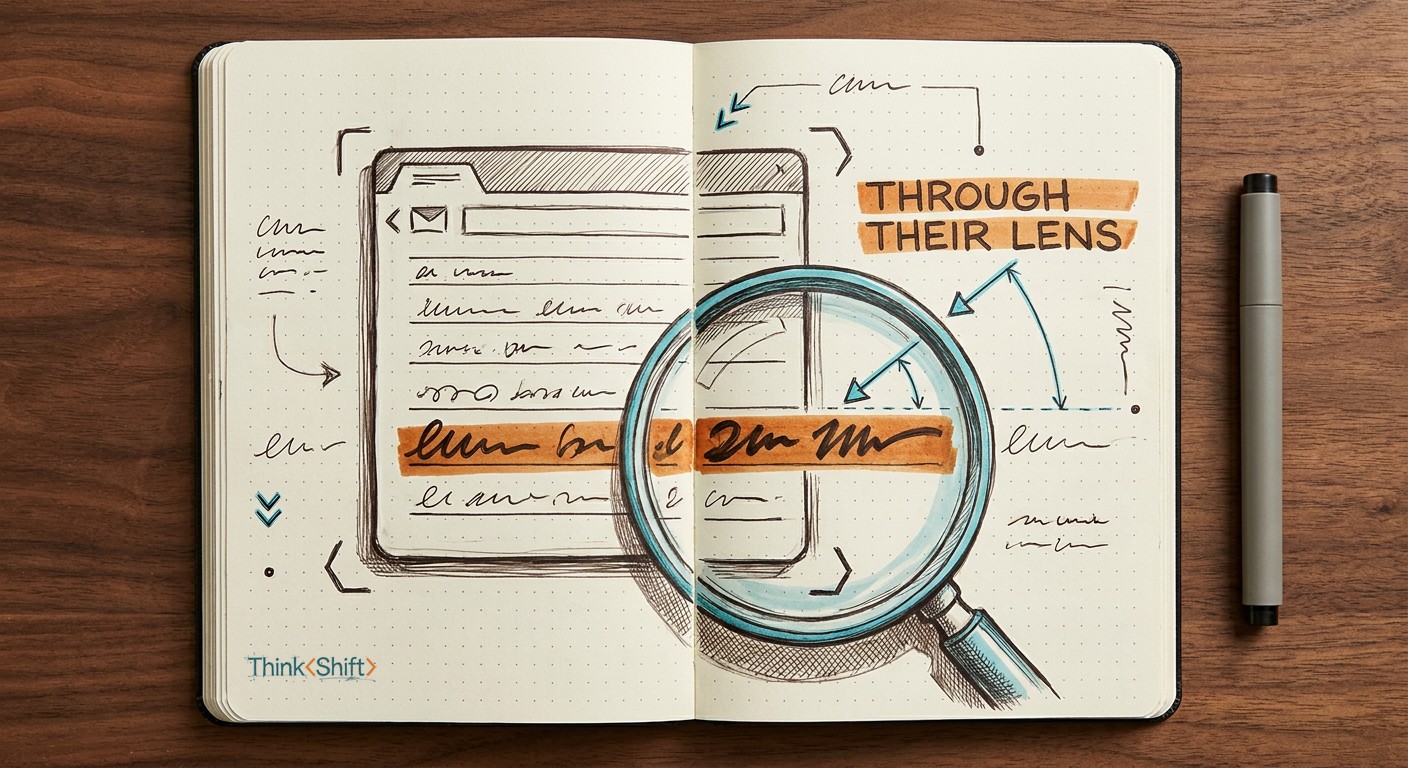
How Will They Read This?
Don't ask AI if your email is good. Make it read the message as the person getting it, and name the line that lands wrong.
- Useful thing
- The pre-send read prompt
- Work moment
- Cursor on Send, something feels off
 Take the Quiz
Shift Library
Each issue starts with a real work moment and leaves behind one useful move: a prompt, a check, or a sharper way to think about it.
The Shift Library
Read any one in a couple of minutes. Each ends with something you can use before your next meeting, message, or decision.
Don't ask AI if your email is good. Make it read the message as the person getting it, and name the line that lands wrong.
Two new models just launched. The move that pays off isn't picking one, it's aiming the AI you have at the task you repeat.
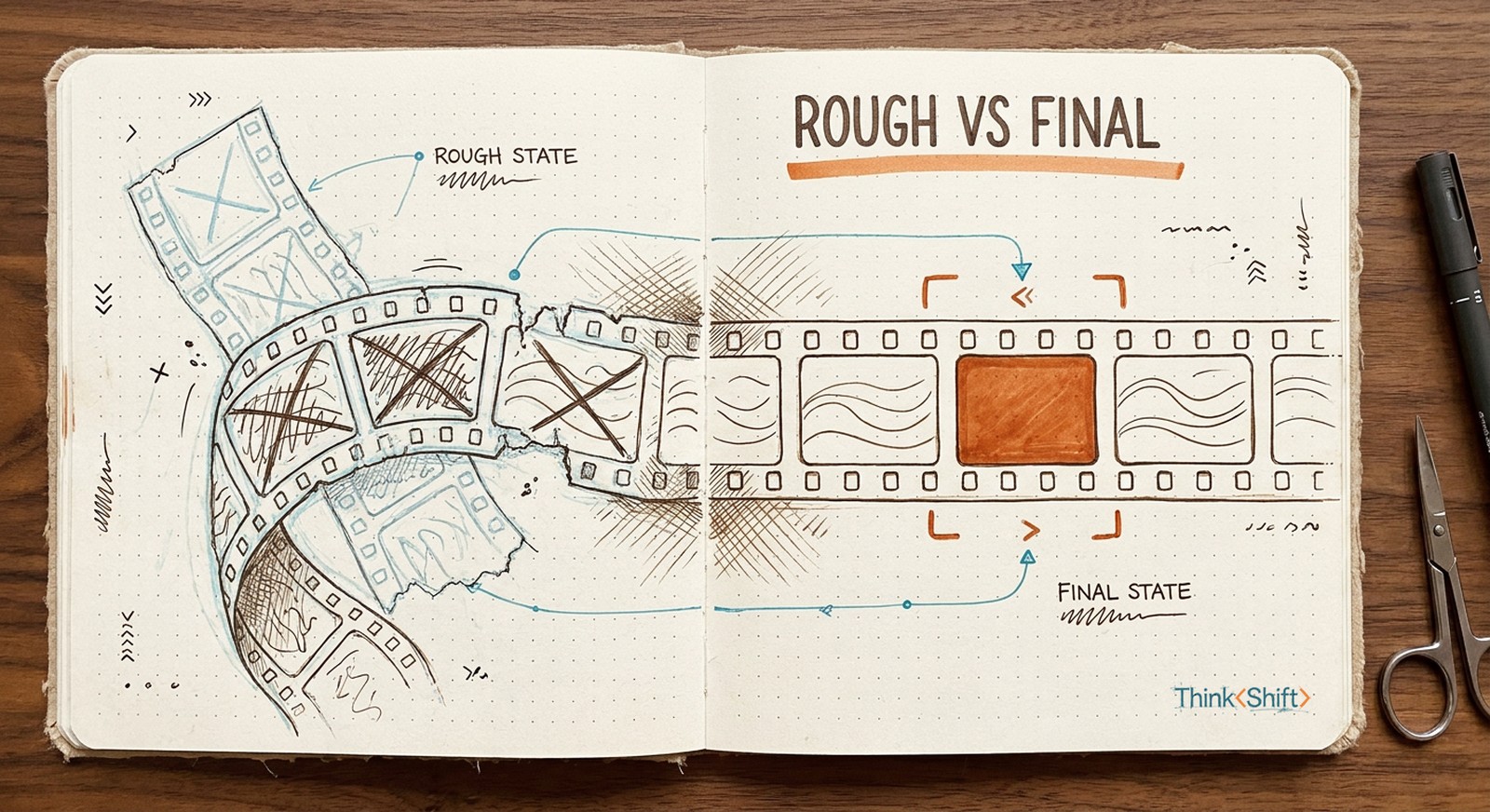
Every third post says someone automated their whole job. You're grading your rough cut against their final cut.
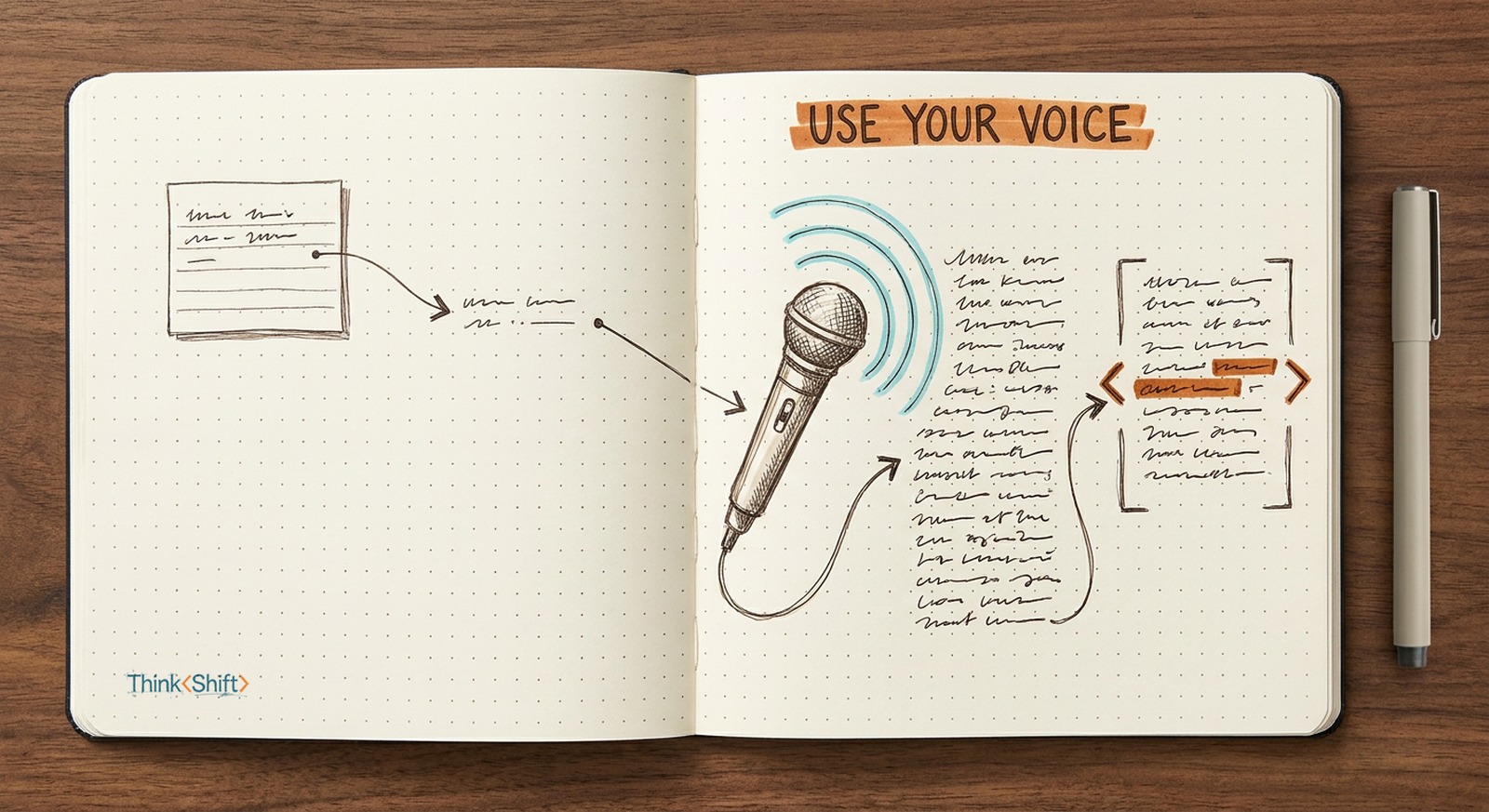
A sharper dictation model just landed in ChatGPT. The real win is what it pulls out of you.
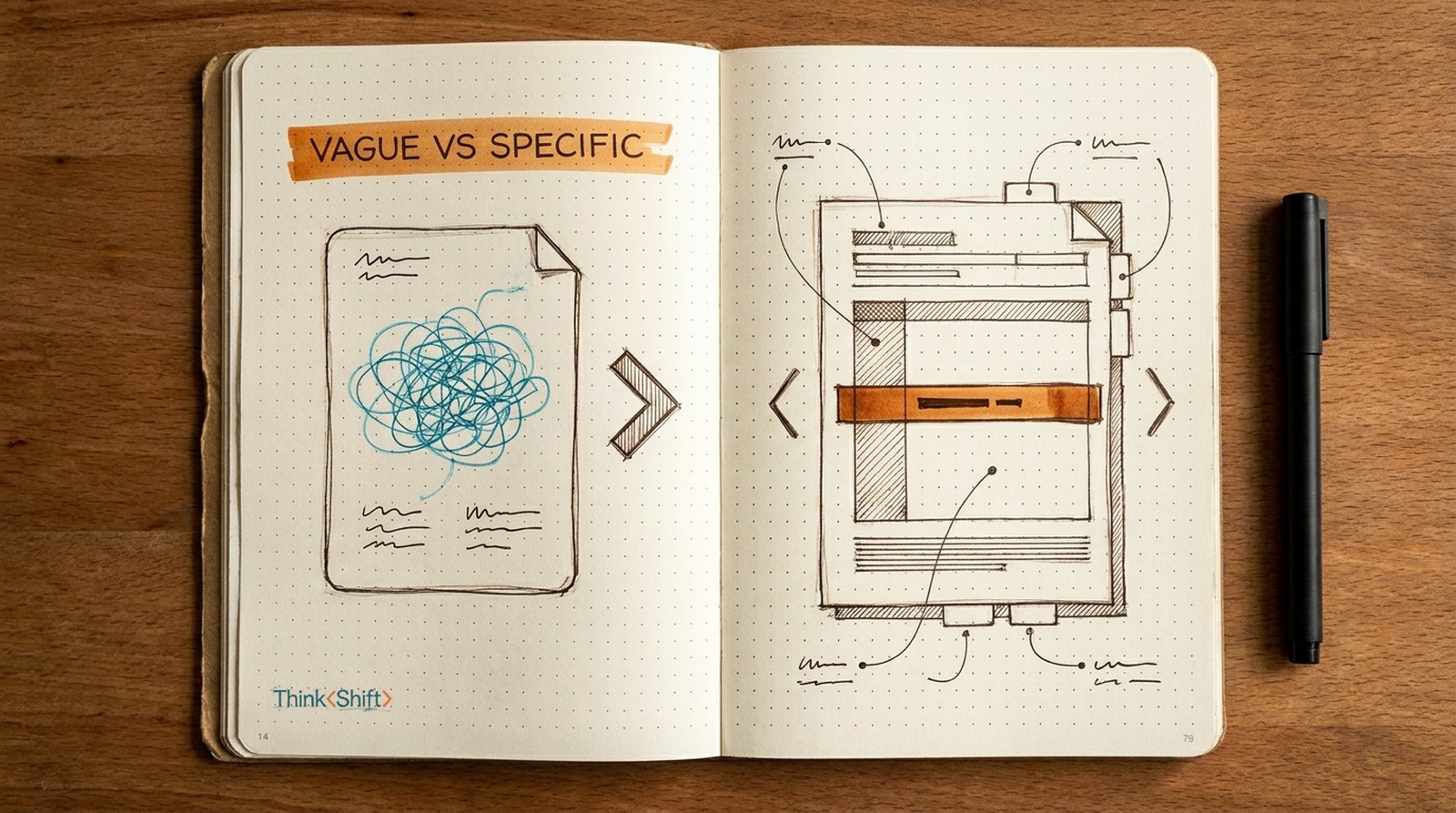
"Make it more compelling" changes nothing. When AI output is flat, add nouns, not adjectives.
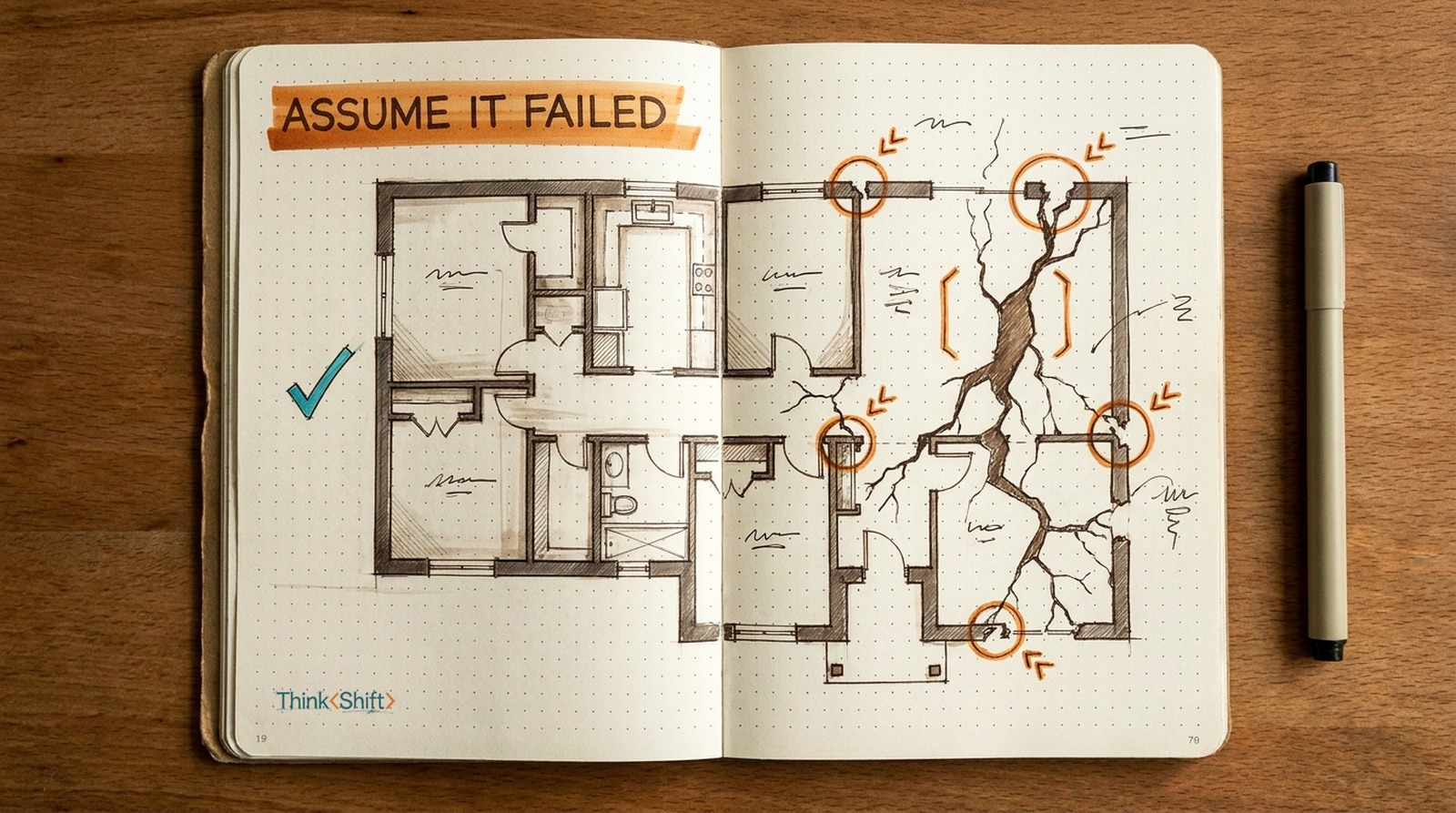
"Is this plan good?" gets you flattery. "Why did it fail?" gets you the risks.
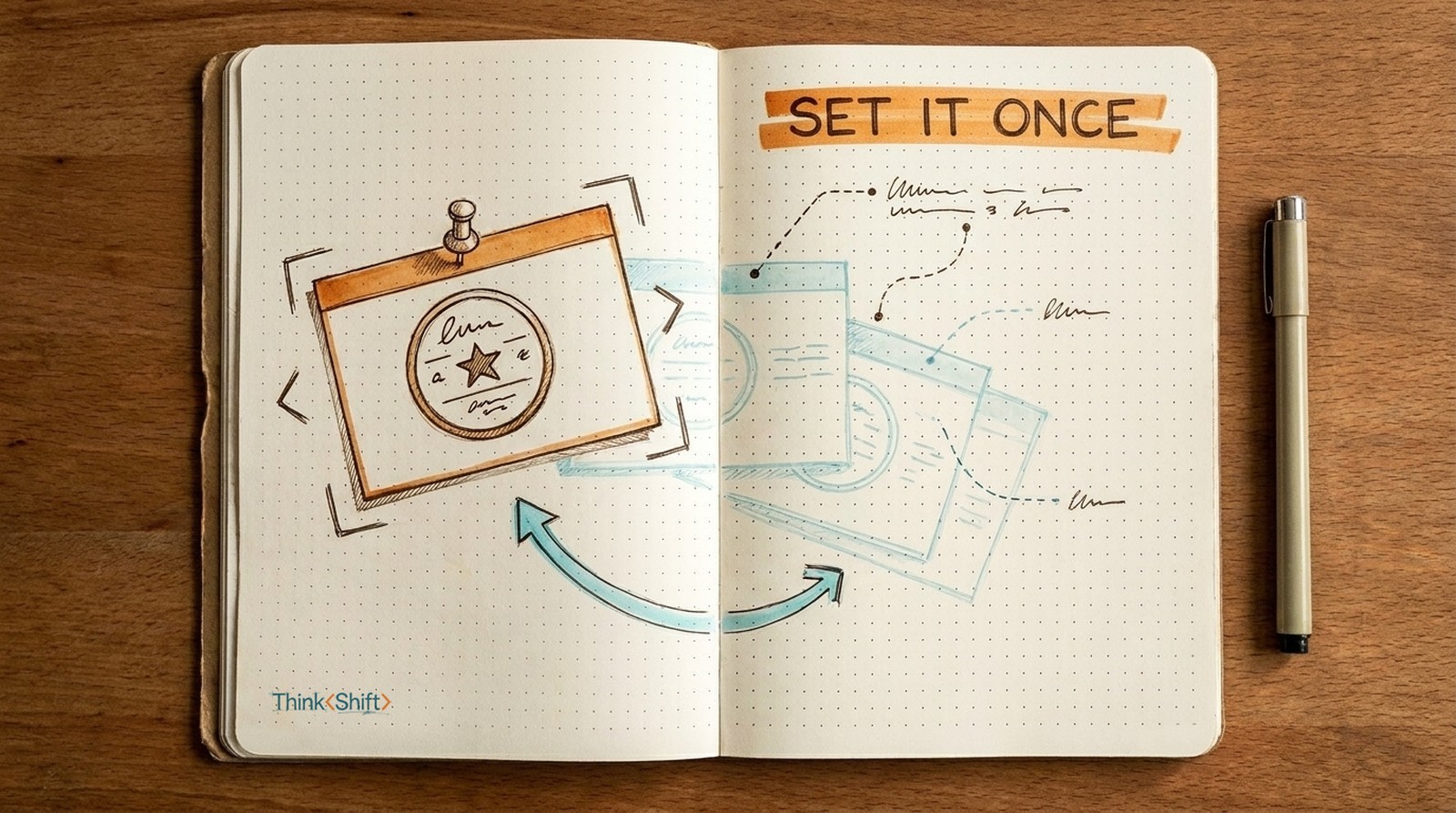
You've briefed AI the same way forty times. Here's how to make it stick, once.
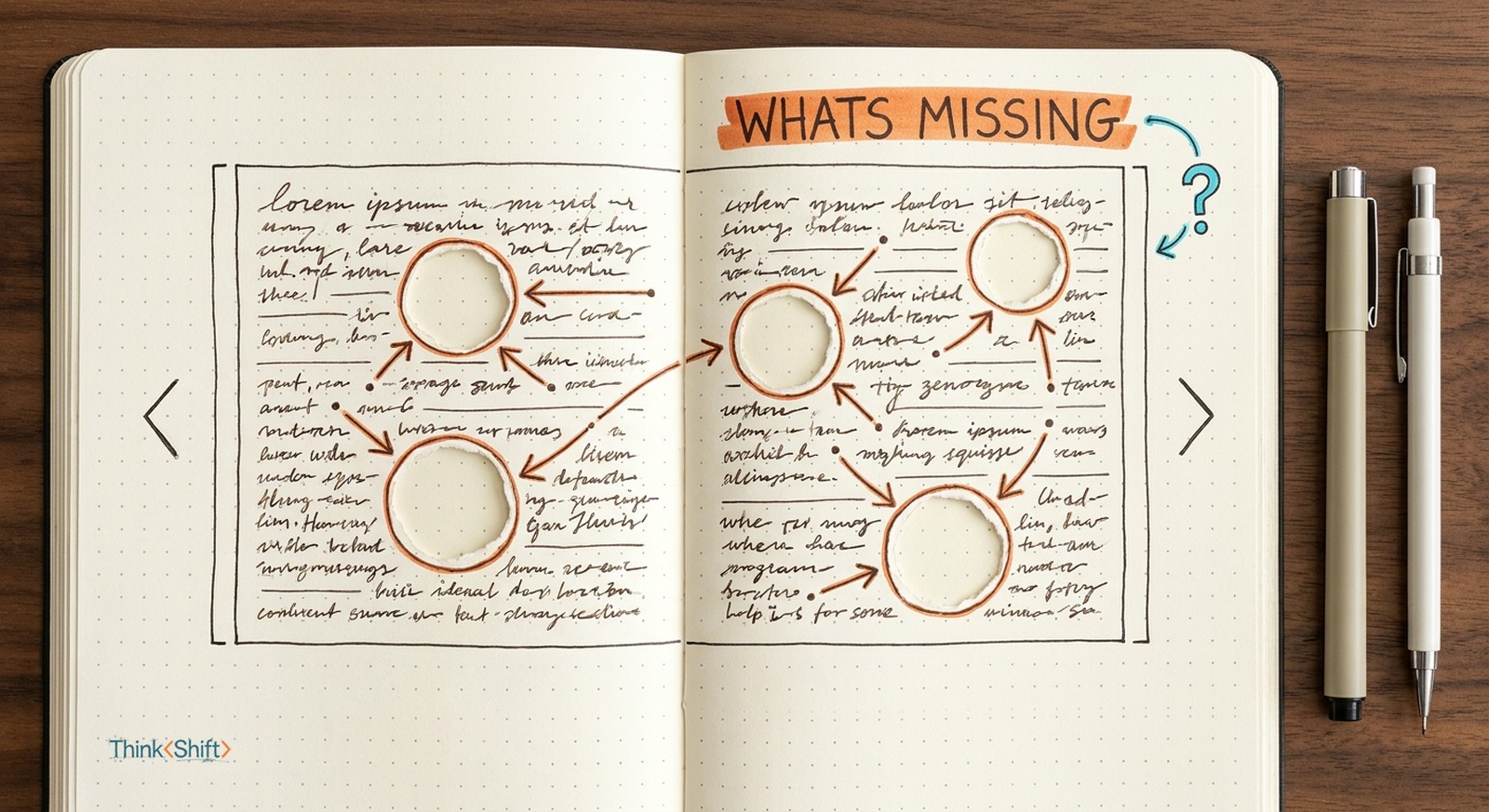
AI answers with only what you gave it, and sounds just as sure either way. Ask what it's missing.
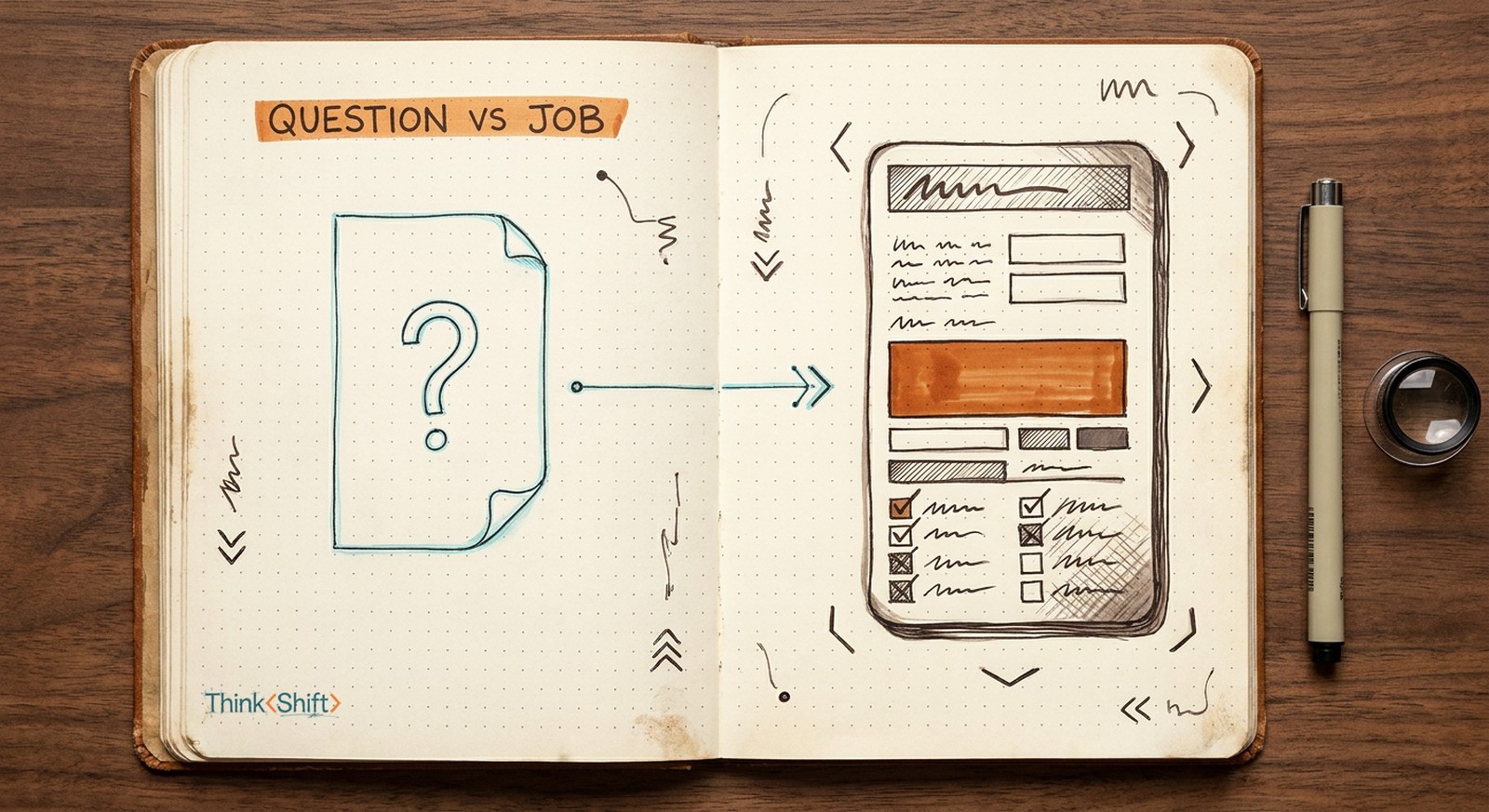
A generic answer isn't the model's ceiling. It's the ceiling of what you asked. Hand AI a job, not a question.
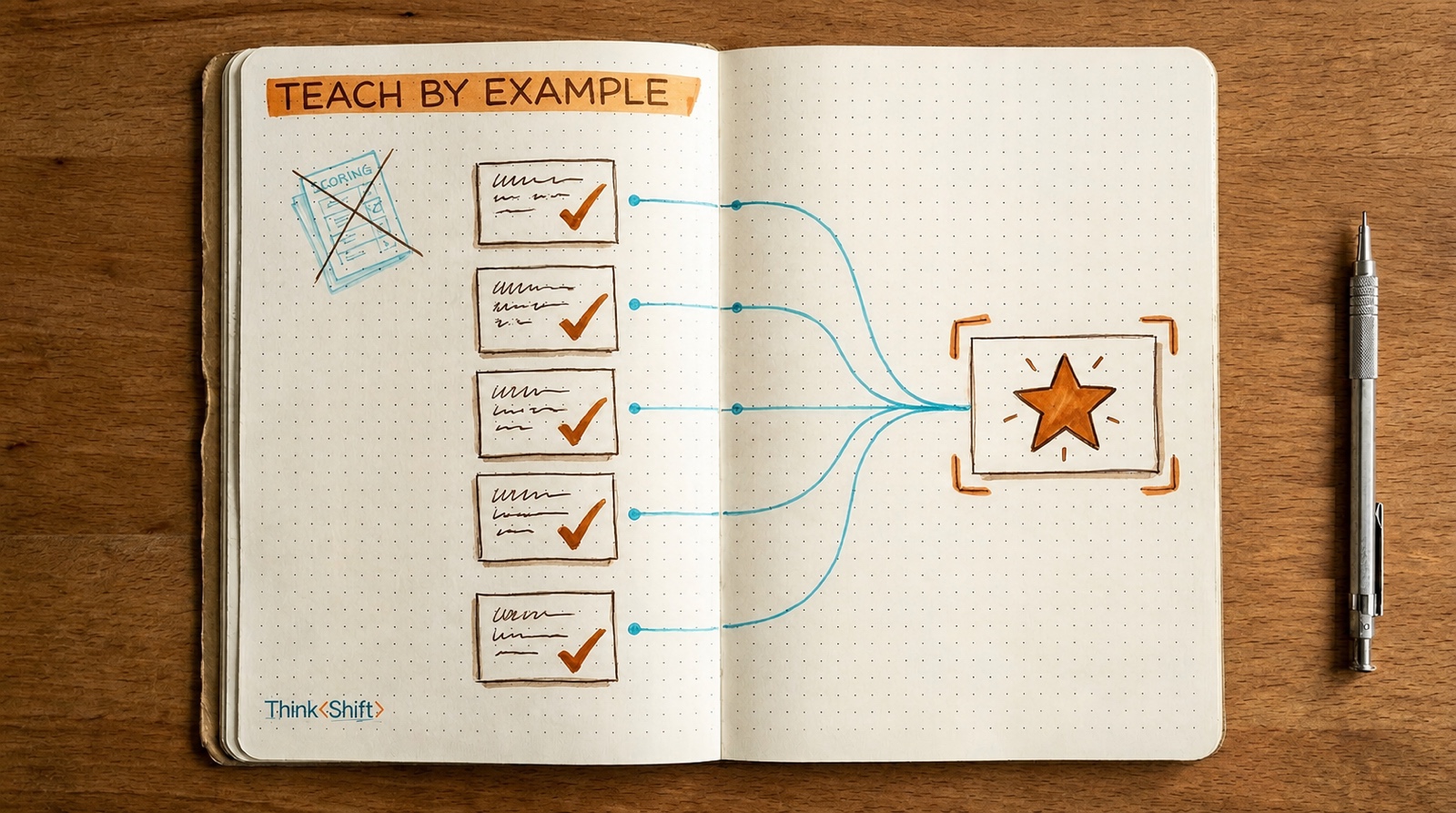
AI doesn't know your bar. Skip the rubric you'll never write, show it five calls you've already made, and it picks up your standard.
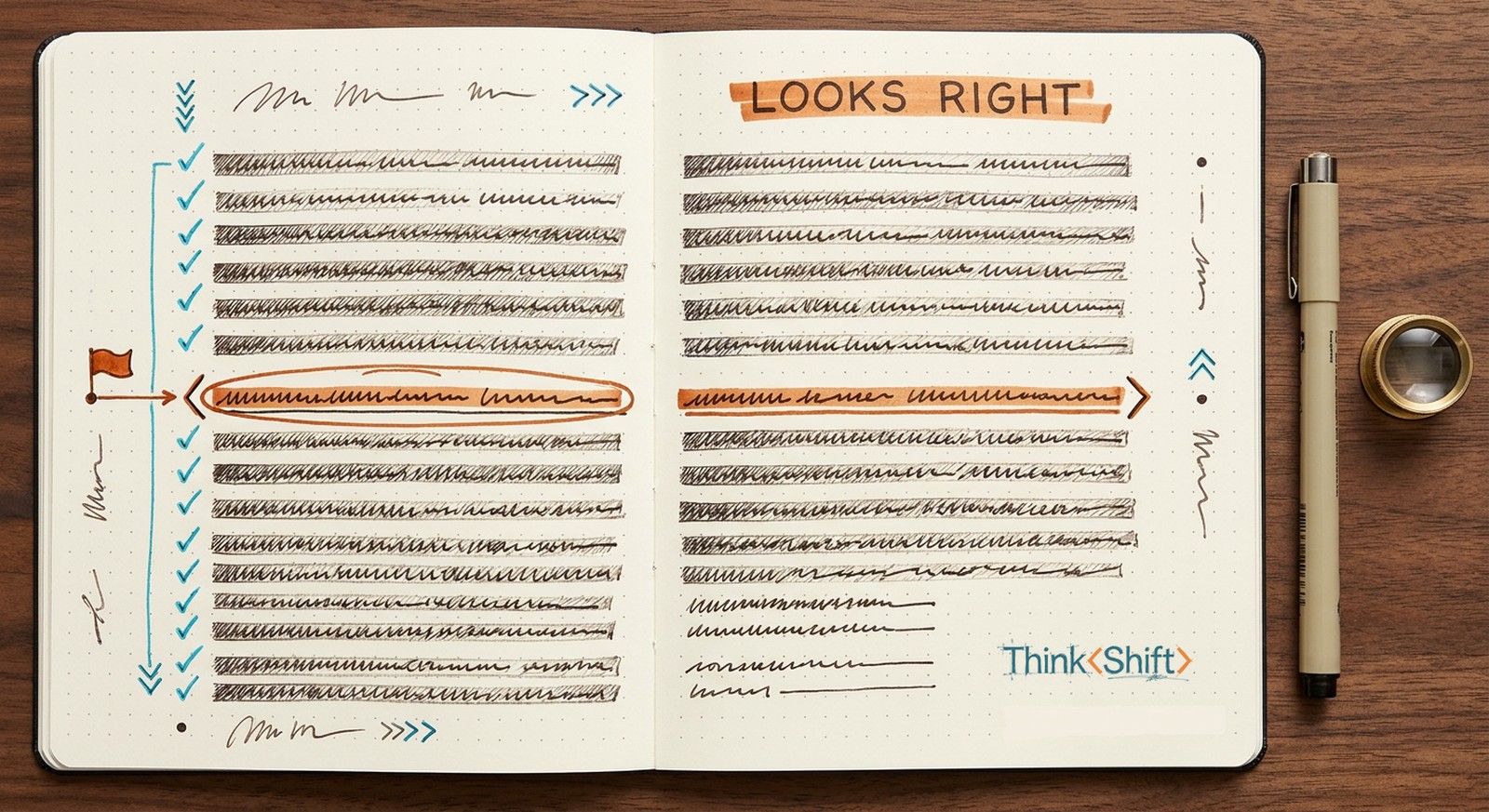
The dangerous AI errors aren't the fabrications you catch. They're the plausible ones, wrong only on the clause your decision rests on.
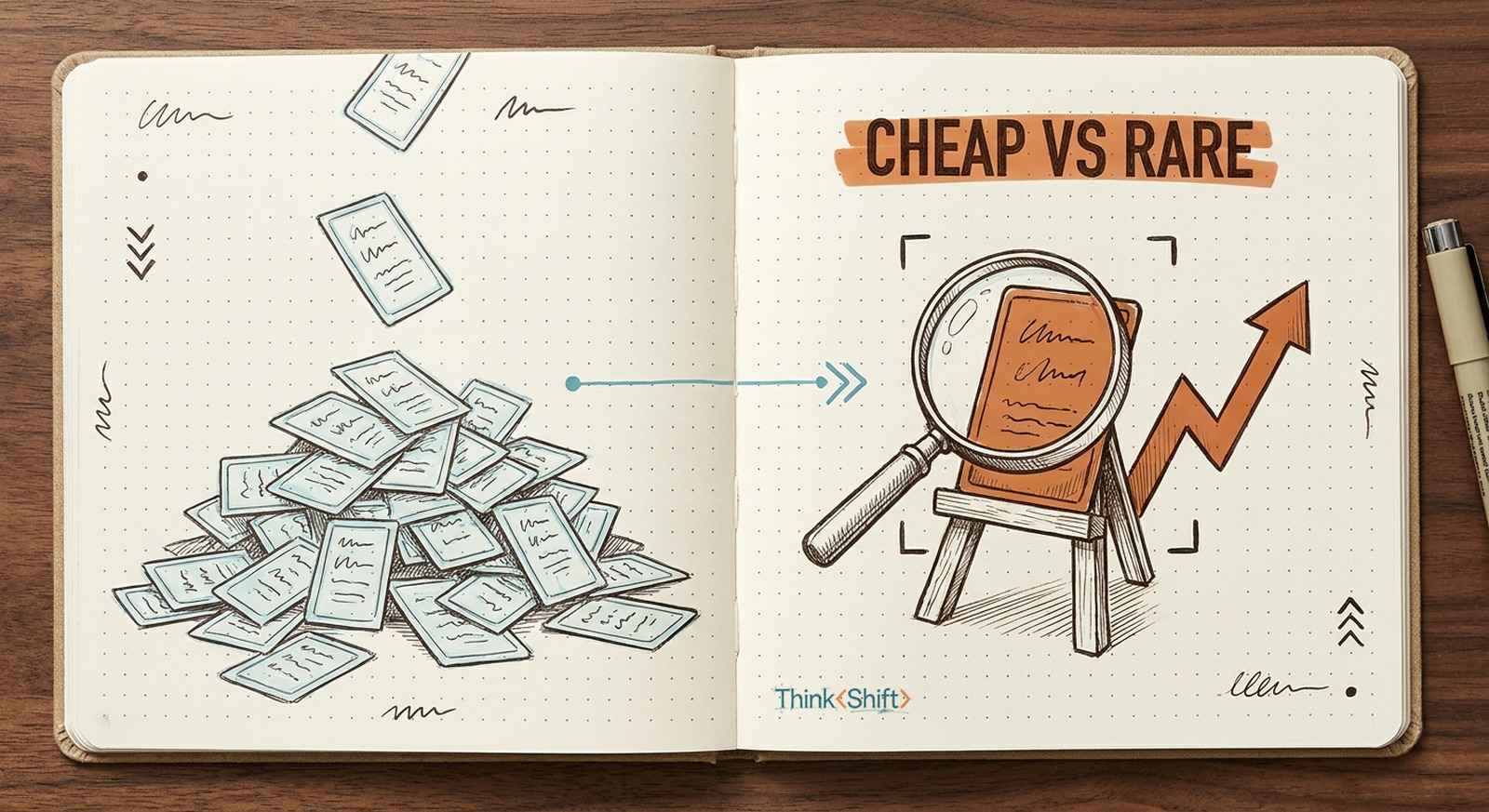
AI made raw horsepower nearly free. The same flood reprices the one thing it can't make, your judgment, upward.
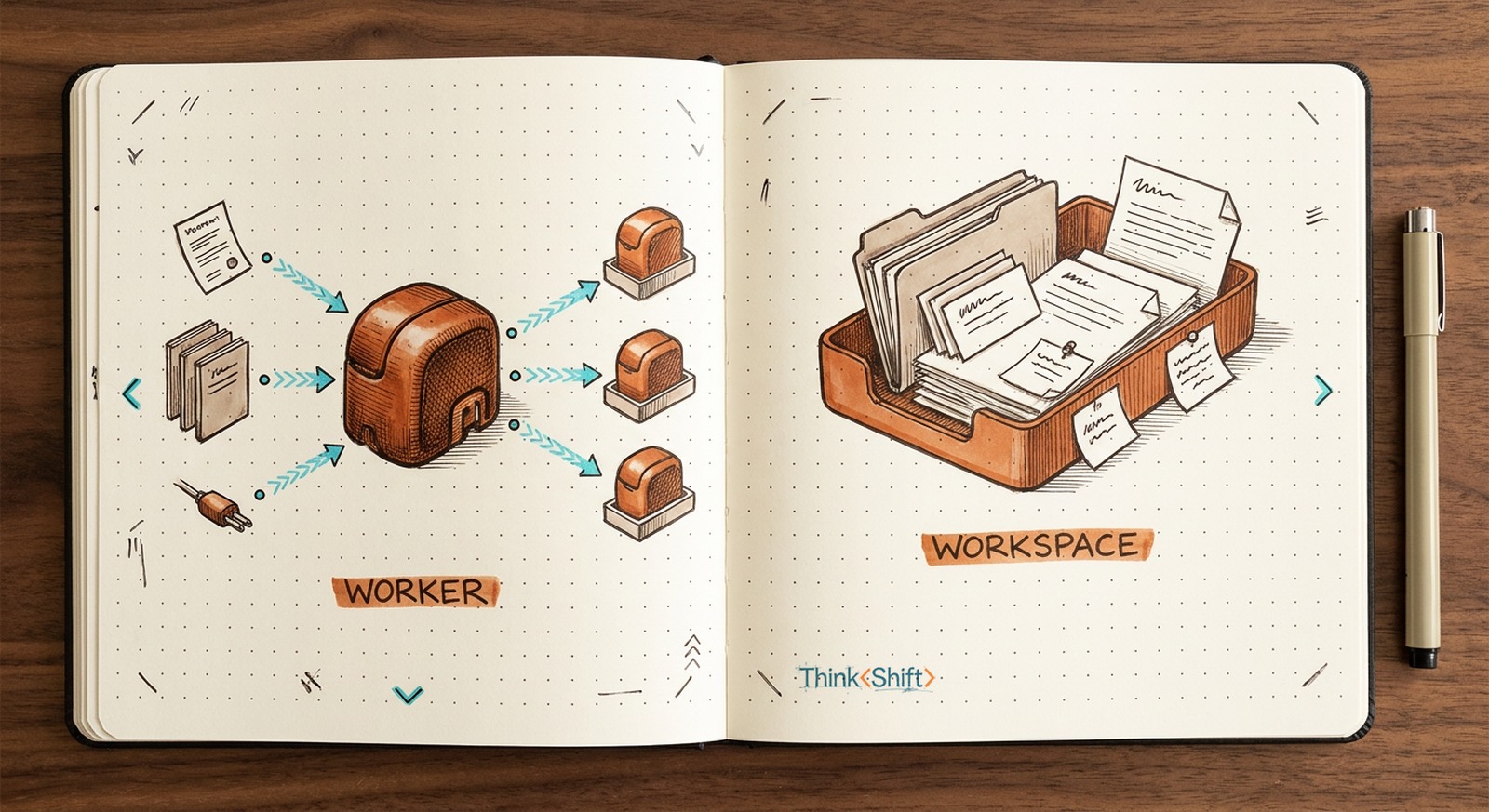
A custom GPT is a worker you build once and hand out. A Project is a workspace where one area's context accumulates. Match the tool to what you're reusing.
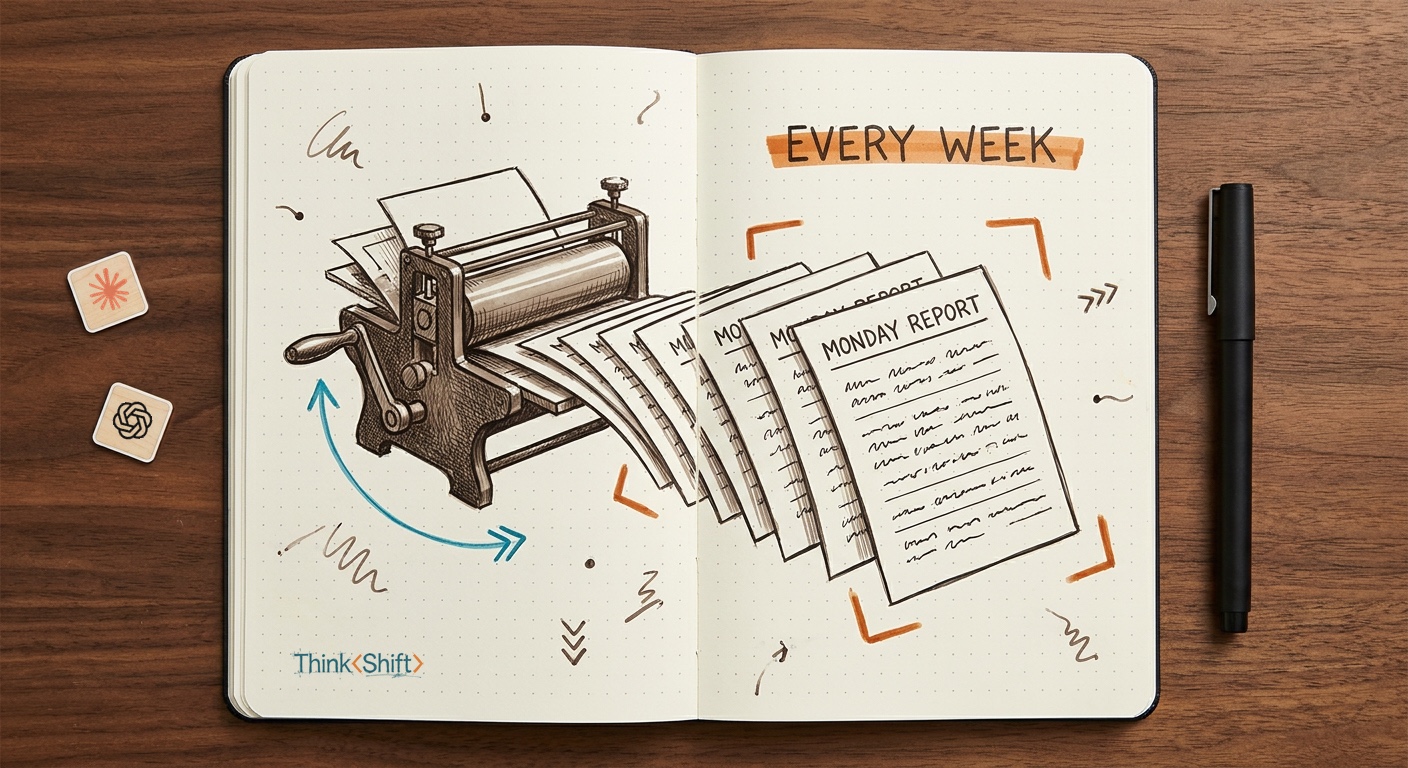
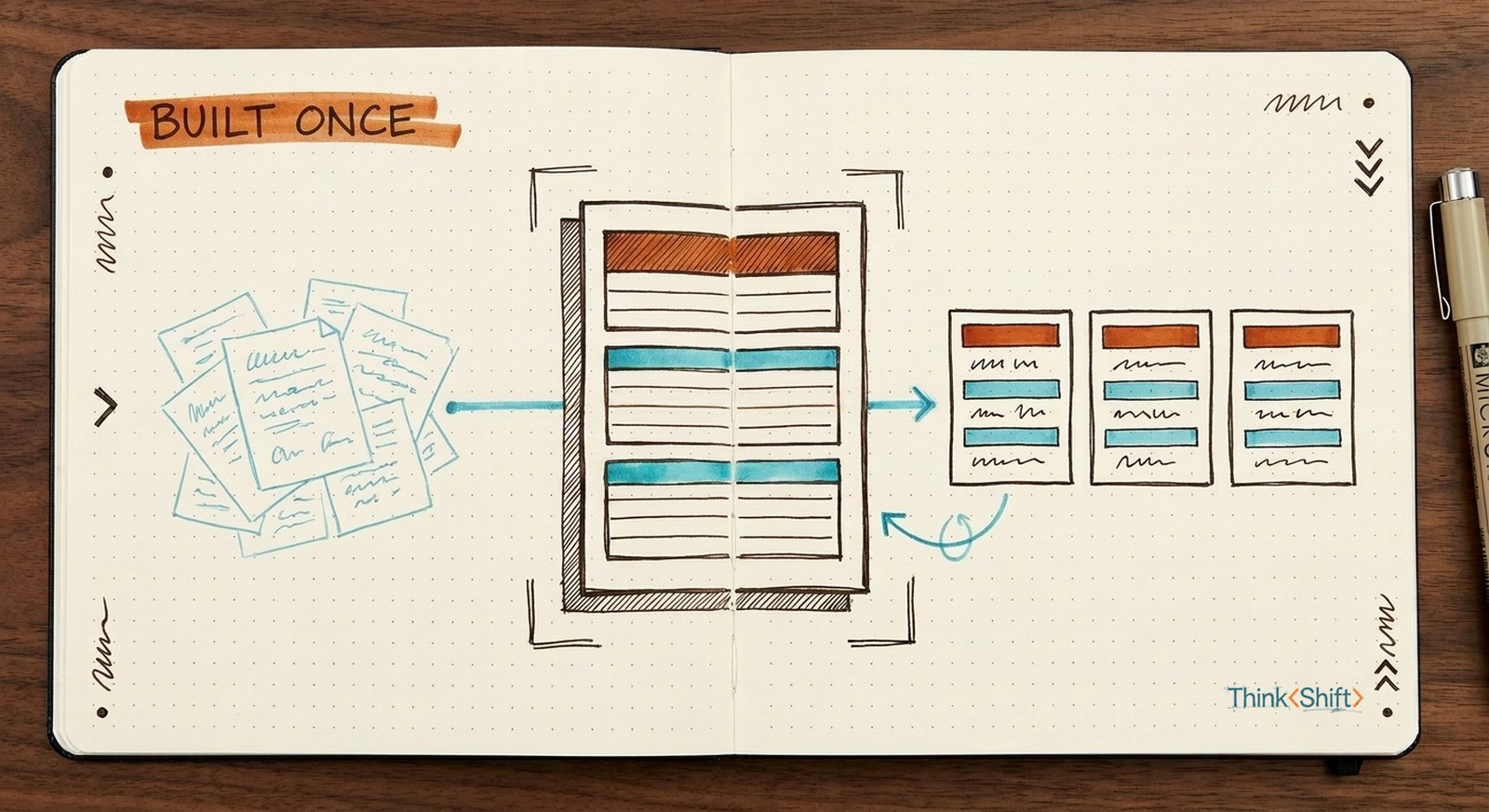
Stop rebuilding the same prompt every week. Package the task into a tool, and build it to interview you for the inputs.
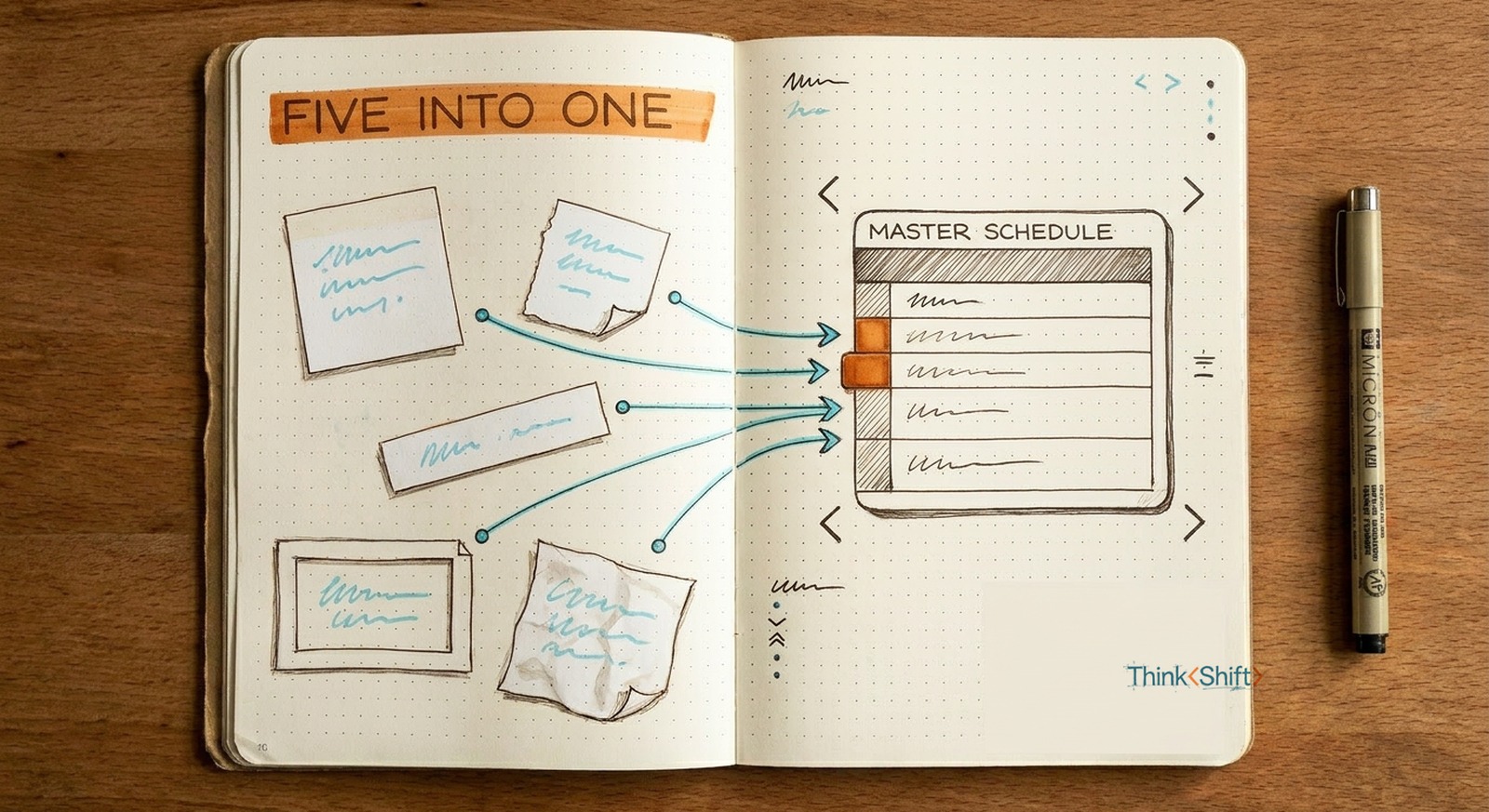
The slow part of merging inputs isn't the merging, it's translating five formats by hand. Hand over the mess unedited and let one prompt flag the clashes.
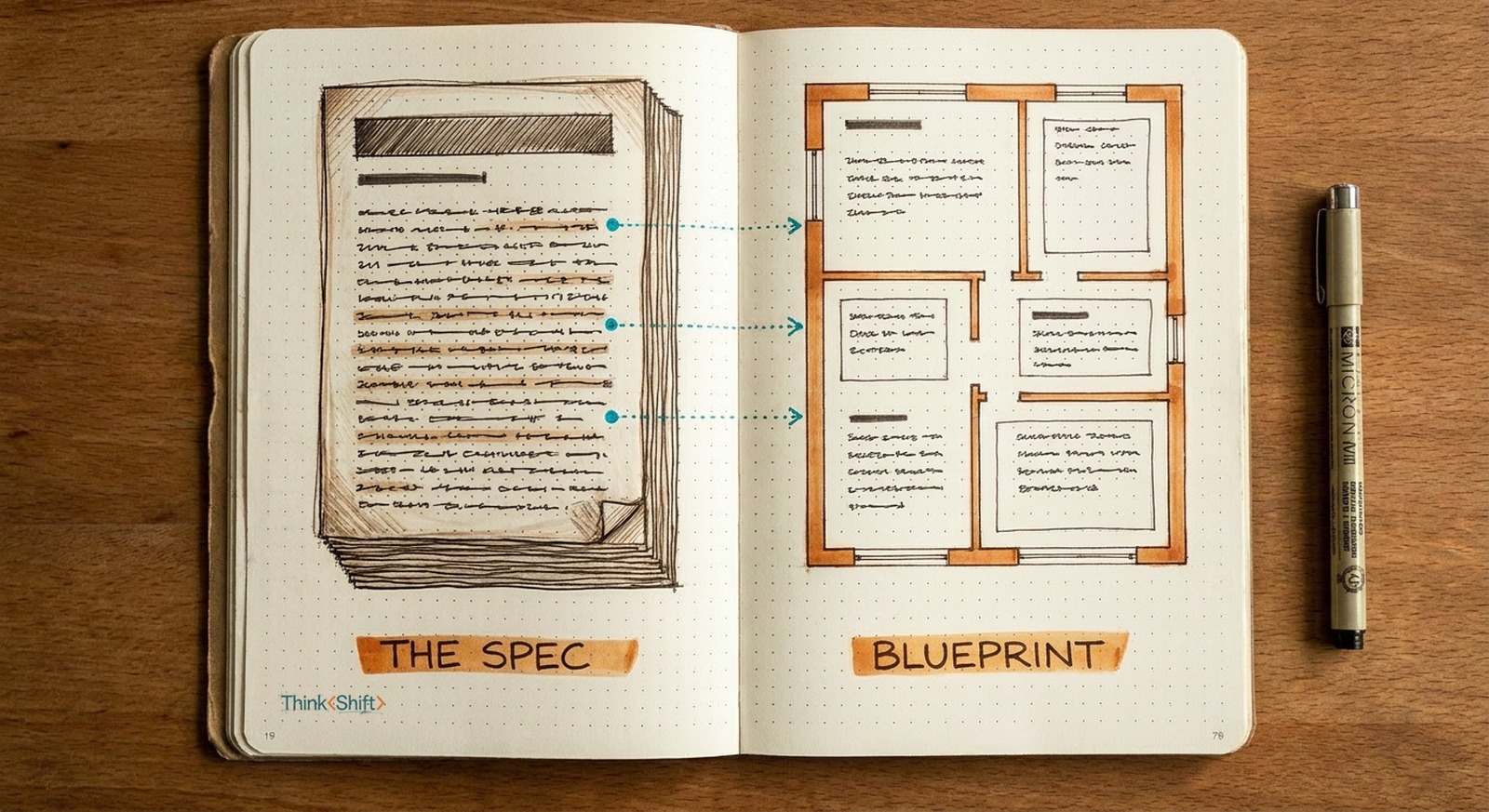
A dense requirements doc is a perfect spec for AI. Hand it over whole with a prompt that drafts against every requirement and shows coverage.
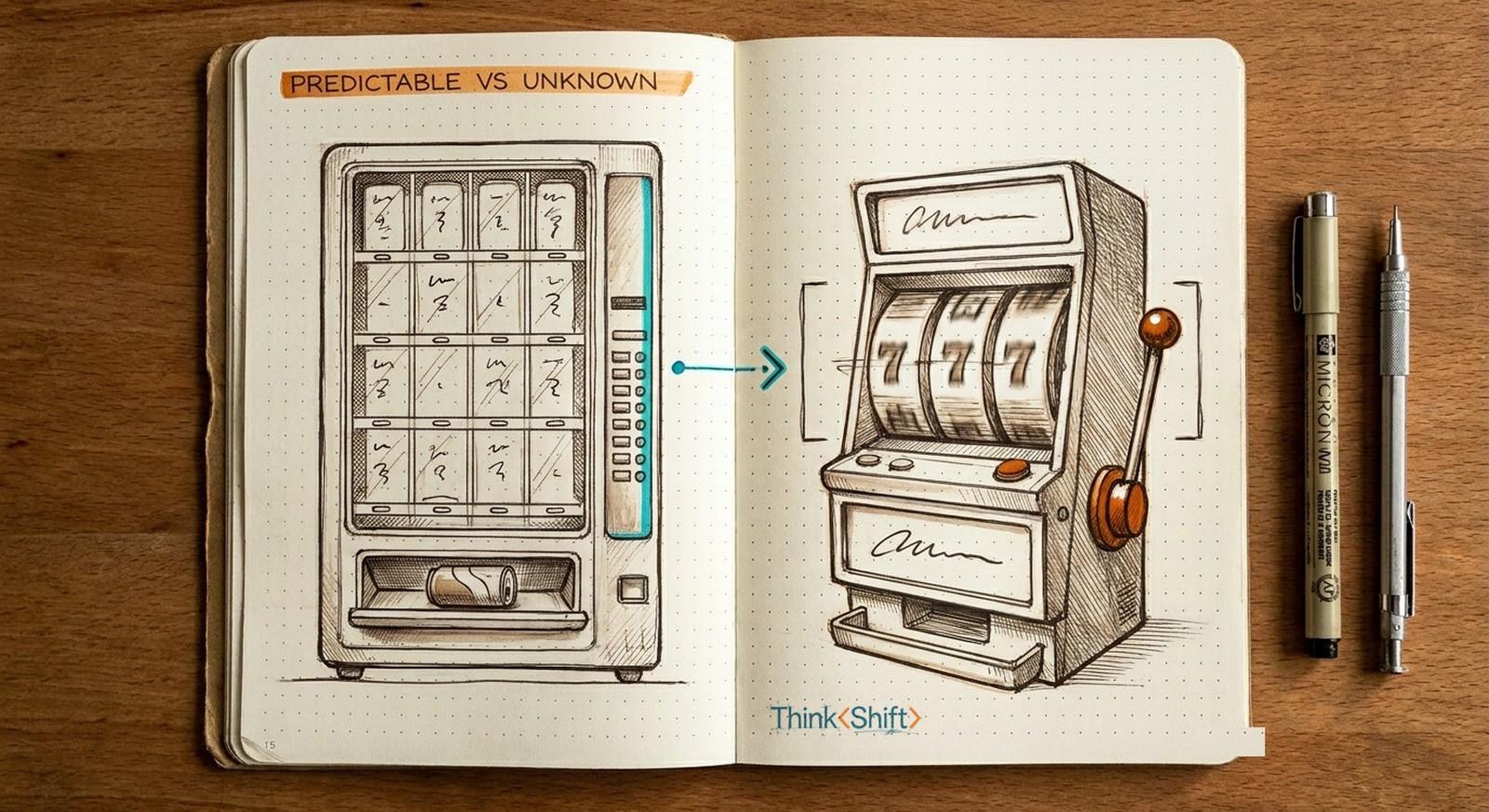
A talk loses the room because it's predictable, not underprepared. Open on the stakes and keep a gap open the whole way.
AI can build the work. The part you most want to offload, checking it, is the part they pay you for.
A speed win can quietly remove the check, not just the effort. The slow step was where problems got caught.
When a project's next steps live only in your memory, you are the single point of failure. Give AI the standing context.
The win isn't the first output. It's the third, after you push back and your standard becomes visible.
AI raises the ceiling on how much you take on. The real skill is refusing to fill the space it clears.
The ability you fear AI is dulling was never your durable edge. Pattern recognition is, and it compounds.
Next step